
The Silver Standard: An Inquiry into the Primacy of Hallmarked Silver for Domestic Iconography
The selection of hallmarked silver for Indian domestic icons is a deliberate choice rooted in metallurgical superiority, ritual necessity, and economic permanence. Silver possess a high reflective index and exceptional malleability, allowing artisans to capture precise iconographic details that command quiet reverence. The presence of a formal hallmark, such as the Bureau of Indian Standards certification, guarantees the physical purity required for traditional sanctity while providing verifiable material value. Consequently, these certified silver icons transcend mere decorative utility, serving as enduring repositories of generational heritage and stable domestic assets that gracefully withstand the passage of time.

Layashaktii
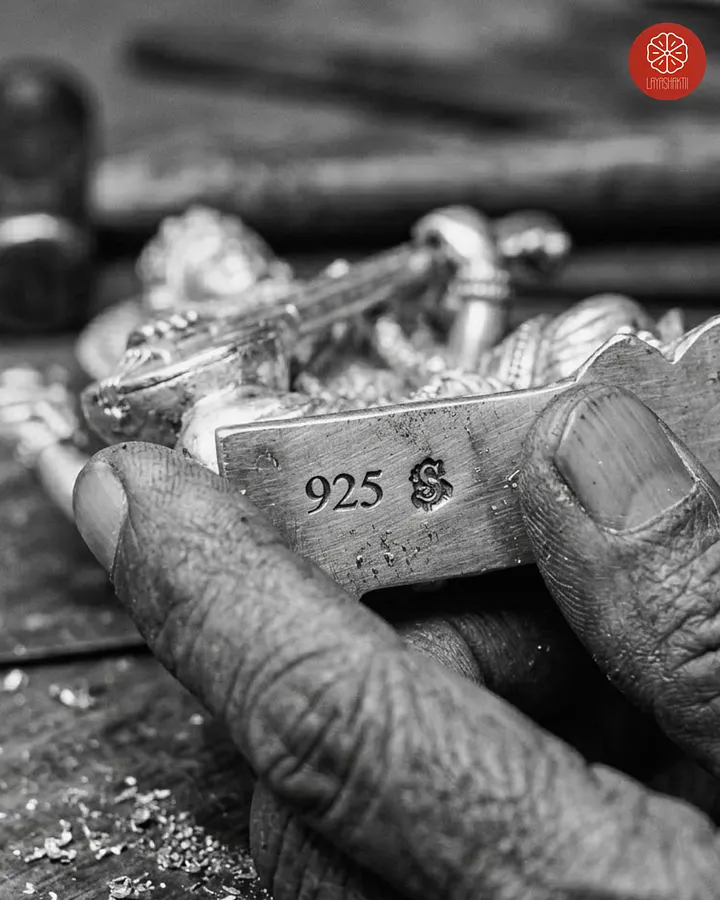
he selection of materials for domestic icons within the Indian household is rarely a matter of mere aesthetic preference. It is, instead, a decision informed by centuries of metallurgical tradition, ritual requirements, and an enduring respect for intrinsic value. Amongst the various metals employed in the creation of sacred statuary, silver — specifically hallmarked silver — occupies a position of singular importance. This preference is sustained by a confluence of physical properties, symbolic resonance, and economic stability.
The Metallurgical Superiority of Silver
Silver possesses unique physical attributes that render it exceptionally suitable for the intricate craftsmanship required in the depiction of traditional deities. Unlike baser metals, silver is highly malleable and ductile, allowing the artisan to achieve a level of detail that is often unattainable in bronze or brass. This precision is essential for the rendering of ‘bhavas’ — the subtle expressions and postures that define the iconographic integrity of a domestic deity.
Furthermore, the reflective index of silver is amongst the highest of all elements. When placed within the traditional domestic setting, often illuminated by oil lamps or natural light, silver icons possess a luminous quality. This radiance is not merely decorative; it serves to focus the observer’s attention, creating a visual centrepiece that commands a sense of quietude and reverence.
The Significance of the Hallmark
In the contemporary marketplace, the hallmark serves as the definitive guarantor of purity. For the discerning individual, the presence of a formal hallmark — such as the Bureau of Indian Standards (BIS) mark — is a requisite for any domestic acquisition. This certification ensures that the object contains the specified percentage of fine silver, typically 92.5 per cent in the case of Sterling silver.
Purity and Ritual Integrity: Within the context of traditional practice, the purity of the medium is inextricably linked to the efficacy of the icon. Adulterated metals are often considered unsuitable for the housing of the sacred.
Durability and Resistance: Hallmarked silver, when properly alloyed, offers a degree of structural resilience that pure silver lacks. This ensures that the icon may endure for generations, resisting the physical stresses of daily maintenance and environmental exposure.
Verifiable Value: The hallmark provides a transparent record of the item’s worth, removing the ambiguity often associated with uncertified metalwork.
Economic Permanence and Heritage
Beyond its ritual and aesthetic utility, silver represents a form of ‘portable wealth’ that has been a cornerstone of Indian domestic economy for millennia. Unlike synthetic materials or mass-produced decorative items, a hallmarked silver icon retains substantial residual value. It is an asset that appreciates over time, serving as both a cultural heirloom and a financial reserve.
The transition from mere object to family heirloom is facilitated by the longevity of the metal. A silver icon purchased today is intended to be passed down through lineages; it becomes a repository of family history and continuity. The durability of hallmarked silver ensures that the features of the deity do not erode with time, allowing the icon to maintain its formal clarity across decades of use.
A Concluding Reflection
The enduring preference for hallmarked silver in the domestic sphere is a testament to a sophisticated understanding of material science and cultural value. It represents a rejection of the ephemeral in favour of the permanent. By choosing a medium that is at once precious, pure, and profound, the household ensures that its most significant icons are rendered in a material worthy of their station. Silver remains, and shall likely continue to be, the standard by which all other domestic mediums are measured.
Comments (0)
No comments yet. Be the first to share your thoughts!